When it comes to landscaping challenging areas such as slopes, hillsides, or uneven terrain, traditional seeding methods often fall short. These locations are prone to soil erosion, water runoff, and poor seed retention, making it difficult for grass or vegetation to grow evenly and thrive.
Hydroseeding offers a cost-effective and efficient solution, especially for these hard-to-reach spots.
Hiring a professional hydroseeding contractor for slopes and difficult terrain ensures the job is done right the first time. With the right equipment, knowledge, and experience, contractors can transform even the toughest areas into lush, green landscapes.
Why Hydroseeding Works Well on Slopes
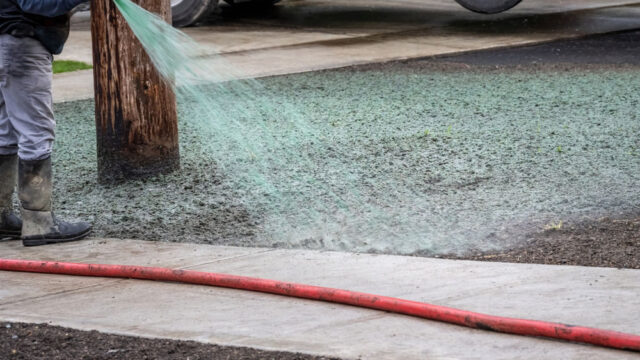
Hydroseeding is particularly effective for sloped or uneven ground because it combines water, seed, mulch, and fertilizer into a single slurry that’s sprayed directly onto the soil. This mixture helps the seeds stay in place, reducing the chances of them washing away during rain or irrigation.
The mulch provides a protective layer that retains moisture and prevents soil erosion, giving the seeds the best chance to germinate.
Unlike dry seeding, hydroseeding delivers consistent coverage across the entire surface, ensuring more uniform growth. The mulch also helps regulate soil temperature, giving young grass a better environment to establish strong roots.
These benefits make hydroseeding a go-to option for controlling erosion and improving soil stability on slopes.
Choosing a Contractor with Terrain Experience
Not all hydroseeding contractors have the skills or equipment to handle challenging terrain. It’s crucial to select a contractor with experience in working on hillsides, embankments, and other difficult areas.
Ask for past project examples or photos that show their capability to manage steep grades and large-scale projects.
Experienced contractors understand how to properly prepare the site before hydroseeding. They know the best seed blends to use for your region and soil type, and they take steps to maximise seed-to-soil contact—critical for germination on sloped ground.
Their knowledge helps ensure long-term success and limits the need for reapplication.
Site Preparation and Erosion Control
Proper site preparation is a vital part of any hydroseeding project, especially on slopes. A qualified contractor will evaluate the condition of the soil, remove debris, grade the surface if necessary, and make sure it’s ready to receive the hydroseed slurry.
To improve results, contractors may install erosion control measures such as erosion control blankets, wattles, or tackifiers—sticky additives that help the mulch bind to the ground more effectively.
These extra steps help keep the seed in place and protect against water runoff until the vegetation takes hold.
What to Expect After Application
Once the hydroseed is applied, it’s important to follow proper aftercare guidelines to ensure optimal growth. Your contractor should provide instructions on watering schedules, foot traffic limitations, and when to mow the grass for the first time.
Germination typically begins within 5 to 7 days, and full coverage is usually achieved in about a month. However, this can vary depending on weather, soil conditions, and seed type. A professional contractor will monitor progress and may recommend follow-up treatments or touch-ups if necessary.
Hiring a hydroseeding contractor with experience in working on slopes and tough terrain can make a significant difference in the outcome of your project. These professionals bring the expertise and tools needed to stabilise the soil, prevent erosion, and promote healthy vegetation growth, even in challenging environments.
With the right approach, hydroseeding transforms difficult areas into green, usable spaces. Investing in a skilled contractor not only saves time and resources but also ensures a lasting and attractive landscape solution.