Soil erosion can quietly damage your landscape, foundation, and property value over time. Whether it’s from heavy rain, poor drainage, or sloped terrain, uncontrolled runoff can wash away topsoil, kill plants, and create costly structural issues.
Installing a French drain is one of the most effective ways to prevent soil erosion and manage excess water. But to get long-term results, the installation must be done correctly. A well-placed French drain doesn’t just redirect water—it protects your property from long-term erosion damage and drainage headaches.
Understand How French Drains Work
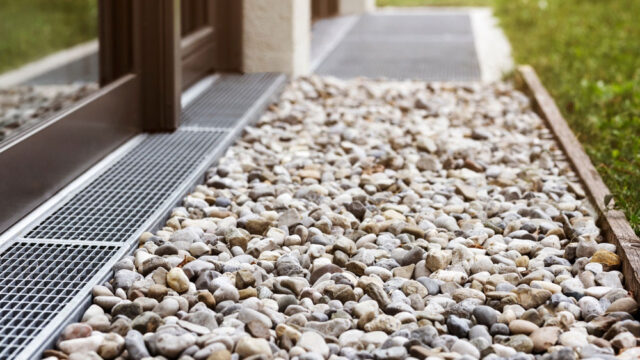
Before installing one, it’s important to understand what a French drain is and how it prevents erosion. It’s essentially a trench filled with gravel and a perforated pipe that redirects water away from problem areas.
- French drains collect excess surface water or groundwater and guide it to a safe discharge point.
- They reduce the pooling of water that leads to erosion and landscaping damage.
- These systems are especially useful on sloped properties, near foundations, or around retaining walls.
When properly installed, a French drain works invisibly below the surface to protect your soil, home, and yard from water-related wear and tear.
Choose the Right Location for Maximum Effect
Where you place a French drain matters just as much as how it’s built. Poor placement can fail to solve erosion problems or even make them worse.
- Identify low spots where water collects or slopes where water flows quickly.
- Install drains uphill from areas showing signs of erosion or runoff.
- Avoid placing drains near trees where roots could block or damage the system.
Contractors often assess your property’s natural water flow before digging to make sure the system redirects water efficiently and safely.
Use Proper Materials and Installation Techniques
Using the right materials is essential for performance and durability. A shortcut during installation can lead to clogs, backups, and ineffective drainage.
- Always use a perforated pipe wrapped in a filter fabric to keep out sediment.
- Use washed gravel for backfilling, which promotes better water flow and prevents clogging.
- Line the trench with landscape fabric to prevent soil from entering and blocking the system.
Incorrect or DIY installations often skip these steps, leading to drain failure and continued erosion issues that cost more to fix later.
Pair the Drain with Surface Grading for Better Results
French drains work best as part of an overall drainage plan. That means making sure the surface of your yard also encourages proper water flow.
- Grade the soil away from your home and toward the drain system.
- Eliminate dips or depressions in the lawn where water can pool.
- Combine with swales or catch basins if runoff is heavy or widespread.
Surface grading supports the drain by reducing the volume and speed of water, minimizing erosion before it even reaches the drain trench.
Maintain the Drain to Keep It Working
Even a well-installed French drain needs occasional maintenance to keep performing year after year. Neglecting it can lead to clogs, backups, and renewed erosion.
- Check the drain outlet periodically to ensure water is flowing freely.
- Flush the system annually with water to remove sediment and buildup.
- Watch for signs of failure, such as soggy patches, mold, or standing water.
If you notice issues, early repair or cleanout can prevent soil loss and keep your landscape intact. Many homeowners overlook this step, which leads to long-term erosion returning.
Preventing soil erosion starts with understanding the causes and investing in the right solutions—like a properly installed French drain. This system controls water runoff, protects your foundation, and preserves your landscape. But placement, materials, and long-term maintenance are critical to making it work.
Whether you’re dealing with pooling water in the yard or runoff threatening your home, a professionally installed French drain offers lasting protection. It’s not just a fix—it’s a safeguard against future erosion and property damage.
Check French Drain Installation for more information.